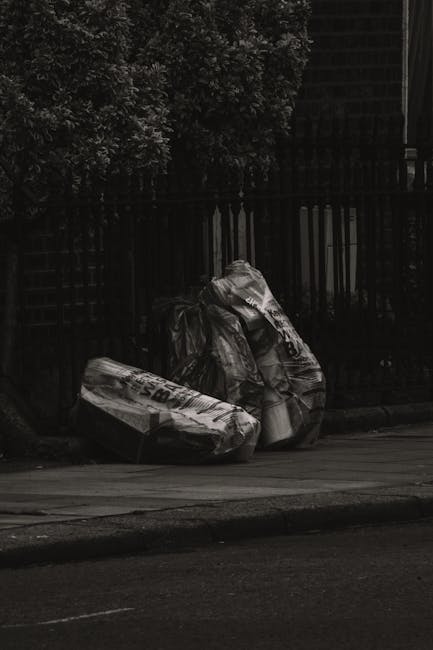
CR7 bulky waste and rubbish collection rules explained

If you live or work in CR7 and you have a sofa, mattress, broken wardrobe, old appliances, or a pile of mixed rubbish that simply will not fit in the normal bin, you are probably asking the same thing: what are the rules, and what is the easiest legal way to get rid of it? This guide to CR7 bulky waste and rubbish collection rules explained breaks it all down in plain English. No fluff. No confusing jargon. Just the practical stuff you need to avoid missed collections, fly-tipping headaches, and last-minute stress on a Monday morning when the hallway is already full.
We will look at how bulky waste collection usually works, what councils and private clearance teams typically expect, which items need extra care, and how to choose the right disposal method for the job. If you have ever stood in a front room wondering whether that cracked fridge or ripped sofa can go out with the rubbish, you are in the right place.
Why CR7 bulky waste and rubbish collection rules explained Matters
Bulky waste sounds simple until you actually have to move it. A single item can become a problem if it is too large for normal household collection, too heavy for one person to carry, or made from materials that need special handling. In CR7, the rules matter because waste has to be presented safely, collected legally, and removed in a way that does not create nuisance for neighbours, pedestrians, or shared access spaces.
This is especially relevant in flats, terraced streets, shared driveways, and tighter residential roads, where one badly placed item can block a path or make access awkward for everyone. Let's face it, nobody enjoys stepping around a splintering mattress frame at 7:30 in the morning. It is messy, it looks bad, and it can lead to complaints very quickly.
There is also the simple risk of doing the wrong thing. If waste is left out improperly, or handed to an unlicensed collector, the person who put it out may still be linked to it if it is dumped illegally. That is why a clear understanding of bulky waste collection rules is not just convenient; it is protective. It helps you stay tidy, stay compliant, and keep control over where your rubbish ends up.
For larger clearances, many people also compare bulky item pickup with full waste removal services such as general waste removal or more specific options like furniture disposal. That comparison usually saves time, and sometimes money too.
How CR7 bulky waste and rubbish collection rules explained Works
In practice, bulky waste collection usually means separating large items from everyday rubbish and arranging their removal through the right channel. Depending on the item and the provider, collection may happen through a council-style booked uplift, a private clearance visit, or a broader household clearance service. The exact process varies, but the logic is similar: the waste must be easy to identify, safe to handle, and suitable for the collection method you choose.
For everyday household items, the key questions are usually:
- Is it classed as bulky because of its size, weight, or shape?
- Can it be broken down safely before collection?
- Does it contain any hazardous parts, fluids, gas, or electrical components?
- Will the collection team need access through stairs, narrow hallways, or communal areas?
A straightforward sofa or chest of drawers is usually simple enough. A fridge, though, is different. So is a mattress with contamination, a builders' offcut with sharp edges, or an item that has been mixed with household rubbish. That is where the rules become practical rather than theoretical.
Private clearance providers often make the process easier because they can collect multiple item types in one visit, including mixed waste, old furniture, and awkward objects that would not suit a standard collection day. If the job includes loft clutter, garden debris, or garage junk, it may be worth looking at related services such as loft clearance or garage clearance.
One small but important detail: bulky waste should be staged neatly. Put it somewhere accessible, keep walkways clear, and make sure nothing is hidden behind it that you still need. Sounds obvious, but in a real flat or house, things get messy fast.
Key Benefits and Practical Advantages
When you follow the rules properly, bulky waste removal stops being a chore and becomes a controlled process. That gives you several practical advantages.
- Less stress: You know what can go, what needs separate handling, and what can stay put for another day.
- Cleaner spaces: Removing large items opens up rooms, hallways, and storage areas quickly.
- Safer access: You reduce the risk of trips, blocked exits, or damage to shared areas.
- Better compliance: You are more likely to use a licensed route for disposal and avoid problems later.
- Improved sorting: Reusable and recyclable materials are easier to separate when the job is organised from the start.
There is also a less obvious benefit: you make better decisions. Once you understand the basic rules, you stop treating everything as generic rubbish. A broken wardrobe might be straightforward. A damaged appliance might need specialist handling. A pile of renovation debris might belong with builders' waste instead. That small shift in judgement makes the whole job smoother.
If you are clearing a home end-to-end, a broader service such as home clearance can be more efficient than booking individual pick-ups for each item. In our experience, that is often the point where people say, quite honestly, "why didn't I do this sooner?"
Who This Is For and When It Makes Sense
This guide is useful for anyone in CR7 dealing with large or awkward household waste, but some situations come up again and again.
- Residents replacing old furniture after a move or refurbishment
- Tenants clearing a flat before handing back keys
- Landlords dealing with leftover items between occupancies
- Families sorting out a loft, garage, or spare room
- Householders with a failed appliance or bulky broken furniture
- Small businesses clearing office furniture or archive clutter
It also makes sense when the waste is not truly "bulky" in the strict sense, but still awkward enough that normal bin collection is not practical. Think multiple bin bags tied up in an old cupboard frame, or a bed base that needs dismantling before it can leave the property. The rules apply because the collection has to remain manageable, and because the waste has to be handled in a way that fits the item.
If you are dealing with furniture only, it can be sensible to look at furniture clearance. If you are clearing a whole property, especially after a tenancy or a family move, house clearance may be the more efficient route. Different jobs, different tools. Simple as that.
Step-by-Step Guidance
Here is a practical way to approach bulky waste and rubbish collection in CR7 without overthinking it.
- List the items clearly. Write down what needs to go. Include size, material, and whether anything is broken, wet, contaminated, or electrical.
- Separate the waste types. Put furniture, appliances, garden waste, builders' debris, and general rubbish into sensible groups. Mixed waste is often harder to deal with.
- Check access. Measure doorways, stair turns, lifts, and any tight spots. A quick look now saves awkward lifting later.
- Remove anything hazardous. If an item contains chemicals, gas, oils, batteries, or sharp components, it may need a specialist route. Do not guess.
- Decide on the collection method. A single sofa may suit one uplift. A full flat clearance may be better served by a broader collection visit.
- Prepare the space. Move small objects, protect floors if needed, and make sure the path to the item is clear.
- Confirm the final details. Agree what is being collected, what is not, and whether loading, lifting, or dismantling is included.
There is a small but useful habit here: take photos before the collection if the job is large or mixed. Not because it is dramatic, just because it prevents confusion. A picture of a room full of items often explains the job better than a long phone call ever will.
For office furniture or workplace junk, a dedicated office clearance can save you from trying to force business waste into a domestic model that was never built for it. And if your job includes heavier construction leftovers, the more suitable route is often builders' waste clearance.
Expert Tips for Better Results
Small decisions make a big difference with bulky waste. These are the habits that tend to keep everything running smoothly.
- Break items down where it is safe to do so. A flat-pack wardrobe in panels is easier to move than one piece of oversized timber.
- Keep similar materials together. Wood with wood, metal with metal, cardboard away from damp rubbish. It helps sorting.
- Plan around access times. Shared entrances, busy streets, school run times, and parking limits can all affect collection speed.
- Think about reuse before disposal. If something is still usable, moving it into a reuse stream can be better than treating it as waste.
- Be honest about condition. A "nearly fine" mattress that is stained or a fridge that still has contents is not nearly fine in collection terms.
One practical tip people often overlook: label what stays and what goes. It sounds almost too basic, but if you are clearing a room with family members around, labels prevent mistakes. You do not want somebody rescuing a lamp from the "out" pile at the last minute. That happens. More than you would think.
If you are comparing disposal routes, the page on what can go in a skip is a useful reference point for understanding which items are suitable for bulk loading and which are not.
Common Mistakes to Avoid
A lot of bulky waste problems come from rushed decisions, not difficult ones. Here are the common errors that trip people up.
- Putting items out too early: This can create mess, attract attention, and cause issues in shared spaces.
- Mixing hazardous materials with household waste: This is risky and can make the whole load unsuitable.
- Underestimating weight: A heavy sofa bed or appliance can be far more awkward than it looks.
- Forgetting access constraints: Narrow stairs and tight corners can turn a simple collection into a slow one.
- Not checking what is included: Some services collect from kerbside only, while others include lifting from inside the property.
- Using an unclear disposal route: If you are not sure who is taking the waste or where it is going, pause and ask questions.
Truth be told, the biggest mistake is usually assuming all waste is the same. It really is not. A mattress, a broken freezer, and a bag of old clothes do not behave the same way in collection or disposal. That is why the rules exist in the first place.
Tools, Resources and Recommendations
You do not need specialist gear for every job, but a few simple tools can make bulky waste collection far easier.
- Tape measure: Useful for doors, stairwells, lifts, and item dimensions.
- Marker labels: Ideal for separating keep and remove items during room clearances.
- Work gloves: Helpful for handling rough edges, splinters, and dusty items.
- Strong refuse sacks or boxes: Better for smaller mixed items that would otherwise spill everywhere.
- Basic screwdriver or hex keys: Sometimes enough to dismantle a bed frame or wardrobe safely.
In terms of service pages, it can help to compare your needs against specific disposal types. For example, a broken suite may fit mattress and sofa disposal, while office furniture or commercial clutter is better matched to business waste removal. If the item is a white good, the route may be closer to fridge and appliance removal.
For people who want a single visit to handle a long list of objects, a general waste removal service is often the most flexible option. It keeps the process simple, which, to be fair, is half the battle.
Law, Compliance, Standards, or Best Practice
For bulky waste, compliance is mostly about duty of care, responsible handling, and using a legitimate disposal route. In plain terms, you should know who is taking the waste, what they are taking, and where it is expected to go. That standard of care matters whether you are clearing a single item or a whole property.
Good practice in the UK generally means avoiding fly-tipping risks, keeping waste separated where needed, and using the correct route for items that may be classed as hazardous, electrical, or contaminated. Local authorities may have their own booking rules, collection days, presentation requirements, or item limits. Those details can change, so if you are using a council-style uplift, always check the current instructions before you move anything outside.
Private collectors should also be transparent about collection scope, access, and handling. You should expect clear terms, sensible communication, and careful loading. Services with strong operational standards will usually explain what they can remove, how items are prepared, and what happens to the waste after collection. That is a good sign, not a sales line.
If you care about responsible disposal, a page like recycling and sustainability is worth reading alongside the practical collection rules. It helps frame the bigger picture: remove what you need, divert what can be reused or recycled, and keep the rest moving through the proper route.
Some items need extra caution. Anything that may contain refrigerant, chemical residue, or sharp internal components should not be treated casually. If in doubt, ask for specialist handling. That is not over-cautious; it is sensible.
Options, Methods, or Comparison Table
Choosing the right collection method depends on the type of waste, the amount, and the access to the property. Here is a simple comparison to make the decision easier.
| Method | Best for | Pros | Things to watch |
|---|---|---|---|
| Booked bulky collection | One or a few large household items | Simple, targeted, usually straightforward | May have item limits or presentation rules |
| General waste removal | Mixed domestic rubbish and bulky items | Flexible, saves time, handles variety | Needs clear item list and access information |
| Furniture-specific clearance | Sofas, chairs, beds, wardrobes | Good for repeated furniture jobs | Not ideal for hazardous or very mixed waste |
| Full property clearance | House moves, probate, end-of-tenancy jobs | Efficient for bigger clear-outs | Needs planning and clear instructions |
| Builders' clearance | Renovation waste and heavy debris | Suited to renovation mess and heavy material | Different rules from household junk |
The right answer is rarely "the biggest option available". It is the option that matches the waste. That sounds simple, and it is, but that is exactly why people get it wrong when they rush.
Case Study or Real-World Example
A typical CR7 scenario goes like this: a family has just finished a living room refresh. They have an old two-seater sofa, a broken coffee table, a mattress, and a stack of mixed items from a cupboard clear-out. At first, they think a single bulky waste pickup will solve everything. Then they realise the load includes mixed rubbish, a heavy mattress, and some items that would need breaking down first.
Instead of trying to bundle everything into the wrong bin day, they separate the pieces, move the lighter items into labelled bags, and check which items need special handling. The sofa and mattress go into the furniture route, the smaller mixed waste is grouped for general collection, and the more awkward debris is kept apart so it can be assessed properly.
The result is boring in the best possible way: nothing is left on the pavement, no item is forgotten, and the hallway is clear again by the afternoon. No drama. Just a clean finish and a room that suddenly feels twice as big.
That is what good bulky waste planning looks like. It is not glamorous. It is just efficient.
Practical Checklist
Use this before any bulky waste collection in CR7.
- List every item that needs to go
- Separate furniture, appliances, general rubbish, and garden or builders' waste
- Check whether any item is hazardous or electrical
- Measure access points if the item is large or awkward
- Clear the path from the item to the exit
- Label what is being removed, especially in shared spaces
- Confirm whether lifting from inside is included
- Ask what happens to reusable or recyclable items
- Keep important belongings away from the collection area
- Make sure the collection method matches the waste type
If you are unsure which route fits your load, a sensible first step is to compare your items against a specialist service such as flat clearance or furniture clearance. That often makes the decision feel much less fuzzy.
Get a free quote today and see how much you can save.
Conclusion
CR7 bulky waste and rubbish collection rules explained does not have to feel complicated. Once you know the difference between everyday rubbish, bulky household items, mixed waste, and specialist materials, the process becomes much more manageable. The real goal is simple: keep the collection safe, legal, tidy, and matched to the waste in front of you.
Start by sorting the items, think about access, and choose the service that fits the job instead of forcing the job to fit the service. That one habit saves a surprising amount of hassle. And if the pile looks intimidating at first glance, that is normal. Most clear-outs do. Then, bit by bit, the room starts breathing again.
By the time the last item is gone and the floor is visible again, you will probably wonder why you waited so long. A tidy space has a way of calming everything down. Funny how that works.
Frequently Asked Questions
What counts as bulky waste in CR7?
Bulky waste usually means large household items that are too big, heavy, or awkward for normal bin collection. Sofas, mattresses, wardrobes, and some appliances are common examples. The exact treatment depends on the item and the collection method.
Can I put bulky items out with my normal rubbish?
Usually, no. Large items often need a separate collection route because they do not fit standard household bins and may require special handling. Putting them out incorrectly can cause access problems and may not be accepted.
Do I need to break furniture down before collection?
Not always, but it can help. If an item can be dismantled safely, it may be easier and quicker to move. That said, do not force it if the item is damaged or contains sharp fixings. Safety first, always.
What should I do with a broken fridge or freezer?
Fridges and freezers often need appliance-specific handling because they can contain components that require extra care. A service such as fridge and appliance removal is usually a better fit than treating it like standard rubbish.
Is it better to book a bulky waste pickup or a full clearance?
If you only have one or two items, a bulky pickup may be enough. If you have mixed rubbish, furniture, or several rooms' worth of clutter, a broader clearance is usually more efficient. The right choice depends on scale and access.
What happens if my waste includes hazardous items?
Hazardous items should be handled separately and never mixed casually with general rubbish. If you are unsure whether something is hazardous, it is better to ask before collection rather than guess and create a problem later.
Can bulky waste be collected from inside a flat?
Some services collect from inside the property, while others only take items from the kerbside or an agreed external point. Always confirm access arrangements in advance, especially in flats, maisonettes, or buildings with narrow stairs.
How do I know if a service is suitable for mixed rubbish?
Look at whether the provider can handle different item types in one visit. If you have furniture, general waste, and heavier debris together, a flexible waste removal option is often more practical than a single-item service.
What if I am clearing a loft, garage, or shed as well?
That usually means the job has moved beyond one-off bulky waste. Services like loft clearance, garage clearance, or even garden clearance may suit the job better, depending on what is inside.
Is it important to ask where the waste goes?
Yes, it is. Good practice means knowing that your waste is being handled responsibly, with suitable sorting, recycling, or disposal. If a provider is vague about this, that is usually a sign to ask more questions.
Can I mix broken furniture with general rubbish?
Sometimes mixed loads are accepted, but it is still better to separate items where possible. Sorting makes collection easier and helps ensure the load goes through the correct route. It also reduces the chance of awkward surprises on the day.
What is the safest way to prepare bulky waste for collection?
Clear the path, separate the items, remove anything hazardous, and make sure nothing valuable is left nearby. If an item is too heavy or awkward to move safely, leave it in place and tell the collector in advance. That is the sensible move, no question.
Where do I start if my whole flat needs clearing?
Start by identifying what must go, what can stay, and what might be reusable. Then compare your needs against a broader service like flat clearance or home clearance. Once you know the shape of the job, the rest becomes much easier.
How can I make the process less stressful?
Keep it simple: sort first, label items, check access, and choose the right collection method. A calm plan beats a rushed clear-out every time. And if you are halfway through and the room looks worse before it looks better, that is normal. Really normal.