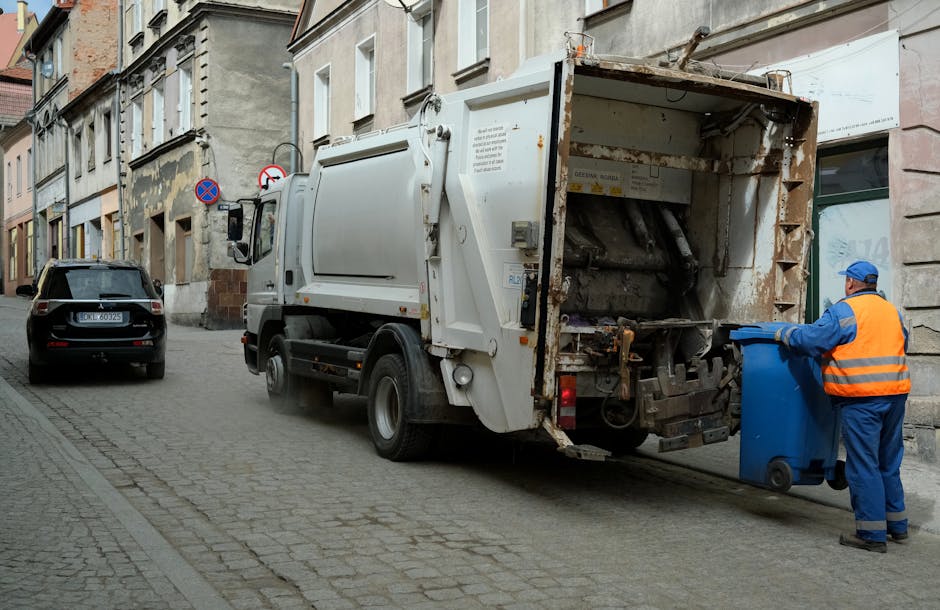
Thornton Heath rubbish removal guide for St Mildreds Road
If you live on St Mildreds Road and the rubbish has started to take over-old furniture in the hallway, a few bags in the front garden, maybe a broken appliance you keep stepping around-this guide is for you. The Thornton Heath rubbish removal guide for St Mildreds Road is a practical walk-through of how to clear waste safely, quickly, and without the usual stress that comes with it. Whether you are sorting a flat, a family home, a loft, or a small business space, the aim is the same: get the job done properly and leave the place feeling like yours again.
Truth be told, rubbish removal sounds simple until you actually have to manage it. What can go? What needs special handling? Is a skip the best option, or would a man-and-van collection make more sense? And what about access on a busy residential road? Below, you will find clear answers, sensible comparisons, and a few local-minded tips that make the whole process easier.
Table of Contents
- Why Thornton Heath rubbish removal guide for St Mildreds Road matters
- How Thornton Heath rubbish removal guide for St Mildreds Road works
- Key benefits and practical advantages
- Who this is for and when it makes sense
- Step-by-step guidance
- Expert tips for better results
- Common mistakes to avoid
- Tools, resources and recommendations
- Law, compliance, standards, or best practice
- Options, methods, or comparison table
- Case study or real-world example
- Practical checklist
- Conclusion
- Frequently asked questions
Why Thornton Heath rubbish removal guide for St Mildreds Road matters
Rubbish builds up in ordinary ways. A sofa gets replaced. A few renovation offcuts pile up. The loft gets a long-overdue clean-out. Before you know it, you have more waste than you can sensibly deal with in one trip to the tip. On a road like St Mildreds Road, where parking, access, and neighbour awareness matter, waste removal is not just about lifting things into a van. It is about planning the job so it is tidy, courteous, and efficient from the first bag to the last sweep-up.
This matters for a few reasons. First, bulky waste left around the property can become a safety issue. Second, the wrong disposal method can create avoidable hassle, especially if you have mixed waste, electricals, or items that need special handling. Third, many people simply underestimate how much time a clear-out takes. A small pile can become a full-day job if you have to sort, carry, load, and then figure out where everything is going.
And then there is the practical side of local living. If you are in a flat, a terraced house, or a narrow-fronted property, getting waste out without blocking pathways can be awkward. Anyone who has wrestled a wardrobe through a tight hall will know the feeling. It is not glamorous work. It is just one of those tasks that feels ten times easier once you have a proper plan.
Key takeaway: good rubbish removal is not just about taking things away. It is about removing the right things, in the right way, at the right time, with as little disruption as possible.
How Thornton Heath rubbish removal guide for St Mildreds Road works
In simple terms, rubbish removal is the process of collecting unwanted items from your property, loading them safely, and sending them for reuse, recycling, or disposal where appropriate. On St Mildreds Road, that process usually starts with a quick assessment of what needs clearing and how accessible the property is.
For most domestic jobs, the job is straightforward: waste is separated into what can be reused, what can be recycled, and what needs disposal. For bigger clearances, the approach is more methodical. You may need to identify furniture, appliances, garden waste, builders' debris, or mixed household rubbish before anything is moved. That sounds obvious, but it saves time later. It also reduces the risk of loading something that needs special treatment.
There are usually three broad ways to approach a clear-out:
- Manual sort and bag up: best for lighter household waste, smaller clear-outs, and pre-arranged collection.
- Full removal service: suitable when you have bulky items, mixed waste, or a large volume to clear.
- Skip-based disposal: can suit longer jobs or projects where waste is generated over several days.
Which one is right? That depends on the volume, the type of waste, and how fast you want the space cleared. If you are dealing with a one-off house clearance, a dedicated removal service may feel much easier. If you are tackling a gradual declutter or a renovation, a skip can be more practical. If you want a deeper look at what a full-service approach covers, the site's waste removal page is a useful place to start.
Key benefits and practical advantages
People often think rubbish removal is only about convenience. Fair enough, convenience is a big part of it. But there are more benefits than that.
- Less physical strain: no repeated lifting into a car or dragging awkward items down stairs.
- Faster turnaround: useful if you need a room cleared before decorating, moving, or photographing a property.
- Cleaner presentation: a cleared home, garden, or office instantly looks more manageable.
- Better disposal decisions: recyclable materials, furniture, appliances, and mixed waste can be handled more appropriately.
- Reduced risk of damage: professional handling helps avoid scuffs, broken banisters, smashed tiles, and other annoying little disasters.
There is also a mental benefit people underestimate. A cluttered space can quietly wear you down. You walk past it, promise yourself you will sort it later, and then later keeps slipping away. Once the waste is out, the room feels different. Calmer. More usable. A bit like taking headphones off after a noisy train journey.
If you are clearing furniture, it may help to look at dedicated services such as furniture disposal or mattress and sofa disposal when the items are too awkward or too worn out for a simple load-and-go approach.
Who this is for and when it makes sense
This guide is relevant to a lot of people, not just homeowners with a van problem. In fact, the people who tend to benefit most are the ones who are trying to deal with real life rather than a perfect checklist.
- Homeowners clearing out lofts, sheds, spare rooms, or general clutter.
- Tenants and landlords needing end-of-tenancy clearance or post-move tidy-ups.
- Flat residents who need help moving bulky waste through stairs, corridors, or shared entrances.
- Tradespeople dealing with builders' waste after small refurbishments.
- Business owners replacing office furniture or clearing outdated equipment.
- Gardeners and DIYers who end up with soil, offcuts, branches, and mixed material everywhere.
It makes sense to book rubbish removal when:
- you have more waste than your household vehicle can safely carry;
- items are too heavy, bulky, or awkward for one person;
- you want to clear the space in one visit;
- you need a tidier, safer property quickly;
- the waste includes items that need sorting before disposal.
For bigger property clear-outs, the site's house clearance and home clearance pages are useful if you want to understand how a more complete clear-out can be handled. If your situation is more compact, a flat clearance can be the better fit, especially in shared buildings where access needs a bit of care.
Step-by-step guidance
If you want a clean, low-stress result, the process is easier when you break it into stages. Nothing dramatic here. Just a sensible order of operations.
- Walk the space first. Look at everything you want gone. Separate bulky items, bagged waste, recyclables, appliances, and anything you are unsure about.
- Decide what stays. This sounds obvious, but confusion creeps in fast during a clearance. Put a hard stop on anything you still need. If you are not sure, tag it and revisit it later.
- Check access. Think about stairwells, front paths, parking, lifting routes, and whether there are any tight corners. On a road like St Mildreds Road, this can genuinely affect timing.
- Group items by type. Furniture with furniture, wood with wood, electricals together, garden waste together. Even a rough grouping helps the job run smoother.
- Identify special waste early. Fridges, freezers, hazardous items, and certain electricals may need separate handling. Better to flag them at the start than halfway through.
- Arrange the collection. Choose a suitable date and make sure someone can provide access if needed.
- Clear a path. Move small obstacles, protect floors if necessary, and keep children and pets away from the working area.
- Final sweep. Once the waste has gone, check corners, cupboards, behind doors, and under stairs. Tiny bits always hide. They do, honestly.
If you are removing a mix of household items, a practical way to stay organised is to list the categories before collection day. For example: one pile for furniture, one for bags, one for electronics, one for garden waste. It is boring, yes. But boring is good here.
Expert tips for better results
In our experience, the difference between a smooth clearance and a stressful one is usually preparation, not brute force. A few small decisions make a big difference.
- Take photos before the clearance. Not for drama. Just so you can keep track of what was there and what has been removed.
- Separate reusable items early. Some furniture or office pieces may be suitable for another use if they are still in decent condition.
- Keep loose screws and fixings in a bag. If you are dismantling beds, shelving, or wardrobes, this avoids a chaotic little treasure hunt later.
- Don't overfill bags. Heavy bags tear, and heavy bags are miserable to move. Better to use more bags than one impossible one.
- Be realistic about time. A "quick tidy" often becomes a full clearance once you start opening cupboards. Happens all the time.
- Ask about recycling routes. A good service should be able to explain how materials are separated and where they go.
For appliance-heavy jobs, it is worth checking dedicated support such as fridge and appliance removal. Fridges and freezers are not the sort of thing you want to leave to the last minute. They are bulky, awkward, and usually more fiddly than people expect.
If you are dealing with business waste or a workplace clear-out, the approach should be slightly stricter. Keeping records, separating confidential material, and planning removal around staff hours can save a lot of fuss. For that, business waste removal and office clearance are the most relevant services to review.
Common mistakes to avoid
Most clearance headaches are avoidable. That is the annoying part. People usually know something is going to be a problem, but they hope it will somehow sort itself out. It rarely does.
- Not sorting waste before collection. Mixed waste is harder to handle, slower to remove, and more likely to cause delays.
- Assuming all items can go together. Some items need special disposal, and some need separate routing.
- Leaving access planning until the last minute. If the team cannot reach the load easily, the job becomes slower and more awkward.
- Forgetting about stairs, lifts, or narrow doors. Common in flats, especially older properties.
- Underestimating volume. What looks like "a few bags" can become several cubic metres once grouped properly.
- Ignoring safety gear. Gloves, sturdy shoes, and sensible lifting technique matter more than people think.
Another classic mistake is leaving hazardous or restricted items in the general pile. If you are unsure whether something needs special handling, pause and check before you add it to the load. That one small pause can save a lot of unnecessary back-and-forth.
Tools, resources and recommendations
You do not need a warehouse full of kit to handle a rubbish clear-out, but a few basic tools help enormously.
- Heavy-duty rubble sacks or strong refuse bags for mixed light waste.
- Work gloves to protect hands from sharp edges and grime.
- Sturdy footwear with a proper grip.
- Moving blankets or floor protection if items need to pass through tight interior routes.
- Labels or coloured tape to mark what stays and what goes.
- Screwdriver, spanner, or Allen keys for dismantling furniture.
- Dustpan and brush for the final tidy-up.
For people comparing disposal methods, the site's what can go in a skip page can help you think through what a skip does and does not suit. If your waste is mostly garden cuttings, the dedicated garden clearance option may be more straightforward. If it is a wider declutter across rooms and storage spaces, loft clearance and garage clearance are both worth considering.
Small recommendation, slightly unglamorous but useful: keep a notepad or phone note as you sort. You will forget what you decided on item number seventeen if you do not. Happens every time.
Law, compliance, standards, or best practice
Waste handling in the UK should always be approached with care. The exact rules depend on the type of waste involved, but the broad principle is simple: waste should be handled responsibly and passed to the right place. For household rubbish, the expectation is usually straightforward. For business waste, electricals, appliances, bulky items, or anything potentially hazardous, the standard of care is higher.
Best practice includes:
- checking whether items are reusable, recyclable, or require specialist treatment;
- keeping hazardous or uncertain materials separate until they are identified;
- using safe lifting methods and appropriate protective equipment;
- making sure access routes are clear and there is no unnecessary risk to occupants or visitors;
- being careful with confidential material and sensitive business items.
If you are dealing with sensitive documents, a confidential shredding service may be more suitable than simply mixing papers in with general waste. For security-conscious businesses or home offices, confidential shredding is a sensible supporting option.
Safety and insurance are also worth paying attention to. A reputable provider should be able to explain how they work, how they manage risk, and what happens if something goes wrong. The pages on health and safety policy and insurance and safety are useful trust signals if you want reassurance before booking.
There is no drama in being careful. In fact, that is usually the smartest move.
Options, methods, or comparison table
Choosing the right rubbish removal method is often about balancing speed, cost, effort, and access. The table below gives a simple comparison.
| Method | Best for | Strengths | Things to watch |
|---|---|---|---|
| Man-and-van style collection | Household rubbish, bulky items, mixed loads | Fast, flexible, minimal lifting for the customer | Needs clear access and a defined pickup point |
| Skip hire | Ongoing DIY, renovation waste, gradual clear-outs | Good for multi-day work and repeated filling | Requires space and can be less convenient on tight roads |
| Room-by-room clearance | House, loft, garage, or office clear-outs | Structured, thorough, ideal for larger projects | Takes planning if items are spread across the property |
| Targeted item disposal | Sofas, mattresses, fridges, appliances | Efficient for single bulky items | Some items need specific handling or preparation |
If you are trying to decide between bulk collection and a single-item service, it often comes down to volume. One sofa is simple. A sofa, mattress, cabinet, broken desk, and six bags of mixed waste is a different story. That is where a broader service such as furniture clearance can be more efficient than arranging item-by-item collection.
Case study or real-world example
Here is a realistic example. A family on St Mildreds Road had been clearing a spare room before a relative moved in. The room had become a landing zone for old boxes, a disassembled bed frame, two armchairs, a broken printer, and a surprisingly stubborn pile of garden cuttings that had been left there "just for now." You know the sort of thing.
At first, they thought a few car trips would do it. Then they realised the armchairs were too bulky, the printer was electrical waste, and the bed frame needed dismantling before it could be moved. Rather than stretch the job over several weekends, they grouped everything by type, cleared a path from the room to the front, and arranged one collection that handled the lot in a single visit.
The biggest win was not just speed. It was relief. The room stopped being a storage overflow and became a usable space again. There was even a moment, apparently, where they stood in the doorway with mugs of tea and just looked at the empty floor for a second. Sounds silly, but that is how these jobs often feel when they finally work. Quiet satisfaction. A proper reset.
That same logic applies to larger property work too. If your job involves multiple rooms, storage areas, or a mix of furniture and household waste, loft clearance, garage clearance, or house clearance can provide a cleaner framework than trying to improvise as you go.
Practical checklist
Use this checklist before collection day. It keeps things simple.
- Sort waste into clear groups: furniture, bags, electricals, garden waste, and mixed rubbish.
- Remove anything you want to keep and place it in a separate safe area.
- Check access routes, stairs, gates, and parking options.
- Measure or photograph any awkwardly large items if needed.
- Identify anything that may require special handling.
- Pack loose waste into strong, manageable bags.
- Keep pets and children away from the working area.
- Protect floors or walls if items are being moved through tight spaces.
- Prepare any keys, codes, or contact details needed for access.
- Do a final sweep after collection so nothing small gets left behind.
If the job includes a work or commercial element, you may also want to review business waste removal and make sure confidential material is handled separately where necessary. That little bit of planning avoids awkward mistakes later.
Conclusion
The smartest way to approach rubbish removal on St Mildreds Road is to keep it simple, safe, and properly planned. Sort the waste, think about access, choose the right disposal method, and do not underestimate bulky items or special waste. If you get those pieces right, the rest tends to fall into place.
Whether you are clearing one room or an entire property, a good rubbish removal plan saves time, reduces stress, and leaves you with a space that feels usable again. That is the real reward, honestly. Not the bags leaving the front door, but the calm that comes after.
If you want to compare costs, scope, and service options before you go ahead, the most sensible next step is to review the relevant pages on the site and decide what kind of clearance suits your situation best.
Get a free quote today and see how much you can save.
Sometimes the best home improvement is just getting rid of the stuff that has been in the way for too long.
Frequently Asked Questions
What is the best rubbish removal option for a house on St Mildreds Road?
The best option depends on the amount and type of waste. For bulky or mixed items, a collection service is usually the easiest. For ongoing DIY or larger waste volumes, a skip may suit better.
Can I mix furniture, bags, and garden waste in one collection?
Often, yes, but it is better to sort items first where possible. Mixing everything together can slow the process and make special items harder to identify.
Do I need to dismantle furniture before rubbish removal?
Not always. Large pieces may be removed intact if access allows, but dismantling can help if stairways, narrow halls, or tight doors are involved.
What items usually need special attention?
Appliances, fridges, freezers, some electricals, and anything potentially hazardous should be flagged early. If in doubt, keep it separate until it is checked.
Is rubbish removal better than hiring a skip?
It depends on the job. Rubbish removal is often better for bulky items, one-off clear-outs, or places with awkward access. A skip can be better for longer projects that generate waste over time.
How do I prepare for a flat clearance?
Sort items by category, clear access routes, and identify anything fragile or hazardous. For flat residents, planning around stairs, lifts, and shared areas makes a huge difference.
What should I do with a mattress or sofa?
Mattresses and sofas are bulky and awkward, so it is usually best to use a dedicated disposal route rather than trying to move them casually. The relevant service page can help you plan it properly.
Can office waste be collected too?
Yes. Office waste, furniture, and equipment can usually be handled as part of a commercial clearance. Confidential papers or data-bearing materials should be separated for shredding.
How can I keep rubbish removal cost-effective?
Sort your waste beforehand, remove anything you want to keep, and make access as easy as possible. Clear routes save time, and time usually matters in pricing.
What happens to the waste after collection?
It is typically sorted so that reusable and recyclable materials can be separated from general disposal waste. Responsible handling is the standard people should expect.
Do I need to be at the property during collection?
Often it helps, especially if access is awkward or you need to point out what should stay. But the exact arrangement depends on how the collection is organised.
What if I only have a few bulky items?
That is still worth arranging properly. A few awkward items can be harder to handle than a bigger load of lighter waste. One sofa, for example, can be more troublesome than five bags of rubbish.
Where can I learn more about the company and its approach?
If you want extra reassurance, the about us, recycling and sustainability, and pricing and quotes pages are helpful places to look. They give you a better feel for how the service is structured and what to expect.