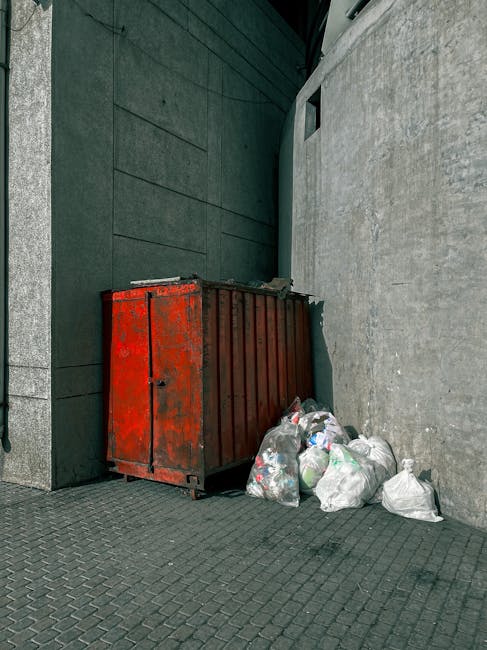
What Croydon Council local rules mean for CR7 rubbish disposal
If you live, rent, manage a property, or run a business in CR7, rubbish disposal is not just about getting stuff out of the way. What Croydon Council local rules mean for CR7 rubbish disposal is that the way you present, sort, store, move, and hand over waste can affect everything from whether it gets collected to whether you end up with a mess, a warning, or extra costs. To be fair, most people only notice the rules when a bin is missed or a bulky item suddenly becomes a problem. This guide breaks it down in plain English, so you can handle everyday waste, bulky items, and awkward clear-outs without making life harder than it needs to be.
We'll look at why the local rules matter, how disposal usually works in practice, what people in Thornton Heath and the wider CR7 area tend to get wrong, and what a sensible, compliant approach looks like. You'll also see when a simple household disposal job turns into something that needs a more structured service, such as waste removal or a more specific clearance route. And yes, there is a right and a wrong way to pile a broken wardrobe on the pavement. Unfortunately.
Table of Contents
- Why Croydon Council local rules matter in CR7
- How rubbish disposal works in practice
- Key benefits and practical advantages
- Who this is for and when it makes sense
- Step-by-step guidance
- Expert tips for better results
- Common mistakes to avoid
- Tools, resources and recommendations
- Law, compliance, standards, or best practice
- Options, methods, or comparison table
- Case study or real-world example
- Practical checklist
- Conclusion
- Frequently Asked Questions
Why Croydon Council local rules matter in CR7
Local rubbish rules matter because waste is one of those things that looks simple until it isn't. In CR7, you may be dealing with regular household bins, communal bin stores, flats above shops, shared houses, or a one-off clearance after a move, a refurbishment, or a sort-out in the loft. Each of those situations has different practical risks. If waste is left out too early, mixed incorrectly, or put somewhere it should not be, it can attract complaints quickly. And once waste starts sitting around in a shared space, it has a habit of spreading. One bag becomes three. Then the smell starts. Then someone is annoyed. It happens fast.
The local rules are there to keep streets safer, reduce fly-tipping, protect recycling efforts, and stop items like broken glass, sharp metal, and leaking liquids from becoming hazards. For residents, that means you need to think about presentation and timing. For landlords and managing agents, it means you need to think about duty of care, shared access, and what happens when tenants leave behind unwanted items. For businesses, it means making sure commercial waste is handled properly and not pushed into domestic systems that were never designed for it.
There is also a practical side that people sometimes overlook: compliance saves time. If you understand what can go where, you avoid repeated trips, rejected loads, and awkward back-and-forth with neighbours or the council. In real life, that is the difference between a tidy Saturday morning and spending your afternoon wrestling with a soggy sofa in the rain. Not ideal.
Expert summary: In CR7, the best disposal approach is usually the one that keeps waste contained, separated, traceable where needed, and out of shared spaces for longer than necessary.
How Croydon Council local rules work in practice
The exact details can change over time, so it is always sensible to check current council guidance before you move anything large or unusual. But in practice, local waste rules tend to work around a few core ideas: use the right container, separate recyclables, keep dangerous materials out of ordinary waste, and place items where they can be collected safely.
For everyday household rubbish
For regular bin waste, the main expectation is simple: put the right things in the right bin and present them at the right time. That includes avoiding contamination in recycling, keeping lids closed where possible, and not overfilling containers so that waste spills onto the pavement. If you are in a flat or a shared property, bin storage matters even more. Communal areas are not a dumping ground, however tempting it is when you are in a rush.
For bulky waste
Bulky items such as beds, wardrobes, tables, or broken white goods usually need special handling. Some councils offer bulky collection services, but there are often restrictions on what they take, how it must be prepared, and how many items are allowed in one booking. A lot of people assume "bulky" just means "too big for the bin." In reality, the item may also need to be clean, dismantled, or stripped of certain parts before collection.
For mixed clear-outs
House clearances, garage clearances, loft clearances, and office clearances rarely involve one type of waste. More often, you get a blend of furniture, clothing, packaging, electronics, old paperwork, and the odd mystery object that no one remembers buying. This is where an organised approach matters. Services such as house clearance or loft clearance are useful because they handle the sorting and removal in one go, rather than leaving you to guess what goes where.
For business waste
Business waste has its own obligations. A shop, office, salon, or workshop in CR7 cannot simply use household bins and hope for the best. Mixed commercial waste, confidential paper, cardboard, packaging, and equipment all need handling in a way that fits the scale and nature of the business. If you are dealing with regular commercial waste, it is worth looking at business waste removal so you can build a routine rather than improvising every week.
Key benefits and practical advantages
Following the local rules is not just about avoiding trouble. There are some real practical wins.
- Cleaner shared spaces: rubbish is less likely to drift into halls, front gardens, or pavements.
- Fewer collection issues: sorted and presented waste is more likely to be taken first time.
- Lower contamination risk: recycling has a better chance of being processed properly.
- Less neighbour friction: no one enjoys seeing old mattresses leaning against a fence for days.
- Safer handling: sharp, heavy, or awkward items are less likely to injure someone.
- Better planning: you know whether a skip, a council collection, or a private clearance is the better fit.
There is also a subtle benefit: when you dispose of waste properly, the job feels lighter. That sounds odd, maybe, but anyone who has tried to do a clear-out with no plan knows the feeling. You spend less energy wondering whether the bin lorry will take it, and more energy actually finishing the job.
For items that are too bulky or awkward for ordinary handling, specialized help can make the process much smoother. For example, furniture and appliance jobs often run better when you separate basic household waste from items that need specific care, such as mattresses, sofas, fridges, or freezers. That is where pages like furniture disposal and fridge and appliance removal become especially relevant.
Who this is for and when it makes sense
This topic matters to quite a few people in CR7, and not all of them think of themselves as "doing waste management."
- Homeowners clearing out garages, sheds, lofts, or spare rooms.
- Tenants moving out and trying to leave a property tidy.
- Landlords dealing with end-of-tenancy waste or abandoned items.
- Estate managers handling shared bin stores and common areas.
- Tradespeople generating builders' debris and packaging.
- Small businesses that need a steady and lawful waste routine.
- Anyone with bulky, awkward, or mixed waste that does not fit a normal weekly bin collection.
It also makes sense for people who are trying to avoid a repeat headache. A lot of waste problems in CR7 are not one-off disasters; they are a series of tiny delays. You put the chair outside and forget about it. Then it rains. Then it gets wet. Then the seat foam starts to split. Suddenly disposal is more annoying and potentially more expensive. If that sounds familiar, you are not alone.
For flats and smaller properties, the issue is often space. A flat clearance is usually about making fast, clean progress without blocking corridors or communal entrances. For bigger homes, the issue is volume and variety. A home clearance or garage clearance may be a better fit if you are dealing with years of accumulated stuff, not just one or two bags.
Step-by-step guidance
If you want to stay on the right side of local rules and keep the process calm, use this practical sequence.
- Identify the waste type. Separate household rubbish, recycling, bulky items, electricals, garden waste, and anything potentially hazardous.
- Check whether it can go in normal bins. If it is too big, too heavy, dirty, sharp, or regulated, treat it differently.
- Decide if the item needs dismantling. A wardrobe with doors off is easier to move than a wardrobe still wobbling together in one piece.
- Protect communal areas. If you live in a block, keep items inside your own space until collection day whenever possible.
- Choose the right route. Council collection, recycling drop-off, a skip, or a clearance service each suits different situations.
- Prepare the waste properly. Remove personal items, separate loose materials, tape sharp edges if needed, and keep liquids out of the load.
- Book or arrange the disposal. Leave enough time so you are not stuck with waste over the weekend.
- Keep proof where sensible. For business and landlord waste in particular, note who collected it and when.
If you have heavy items or awkward access, do not underestimate the practical side. Third-floor flats, narrow stairwells, and awkward parking on a busy road can turn a straightforward job into a small workout. Sometimes literally. When that happens, a professional service can save a lot of effort and avoid damage to walls, stairs, or lifts. That is one reason people in the area look at office clearance for work premises or builders waste clearance after renovation work.
Expert tips for better results
Here are the practical habits that make the biggest difference in real life.
1. Sort before you move anything
It is much easier to sort waste at the source than to build a mountain on the kerb and hope for the best. Keep cardboard, metal, textiles, wood, and electricals separate if you can. Even a rough sort helps.
2. Think about the route, not just the pile
Many disposal problems begin at the point where waste has to pass through a hallway, a front garden, or a shared entry. If the route is narrow, plan for smaller loads or disassembly. A sofa that fits in a room may still be awkward in the stairwell. Everyone discovers this eventually. Usually while sweating.
3. Keep hazardous items out of ordinary waste
Paint, solvents, oils, gas canisters, certain batteries, and other risky materials should never be mixed casually into household rubbish. If in doubt, isolate them and get specialist advice. For these situations, a dedicated hazardous waste disposal approach is the safer route.
4. Use the council route for simple jobs, private help for complex ones
A couple of bags and a broken chair may be easy enough to manage with normal collections or a small local arrangement. A full flat, a garage full of mixed junk, or a timed move-out deadline is different. In those cases, private clearance can be less stressful overall.
5. Ask what happens to the waste
Not every service treats waste the same way. A good provider should be able to explain how items are sorted, recycled where practical, and handled responsibly. If sustainability matters to you, it is worth reading about recycling and sustainability before booking.
Common mistakes to avoid
People in CR7 tend to make the same few mistakes, and honestly they are easy to make when you are in a hurry.
- Leaving waste out too early. This can create complaints, obstruction, and mess.
- Mixing recyclables with general rubbish. That can make the load harder to process properly.
- Assuming bulky items are all the same. A mattress, fridge, and wardrobe may each need different handling.
- Dumping items in communal areas. Shared spaces get cluttered fast.
- Ignoring hazardous components. One hidden bottle of chemicals can change the whole job.
- Forgetting paperwork or confidential materials. Offices and home offices especially need care here.
- Not checking access. Parking, stairs, and lift access can make or break the plan.
One quiet but common issue is paperwork. Old letters, receipts, and business files get tossed in with everything else. That creates avoidable privacy risk. If you are dealing with records, confidential shredding is a cleaner way to handle it, and it saves you from that odd feeling of wondering whether your bank statement ended up in the neighbour's recycling by accident.
Tools, resources and recommendations
You do not need fancy equipment, but a few simple tools make disposal far easier.
- Heavy-duty bin bags for secure, manageable loads.
- Gloves for sharp edges, grime, or splinters.
- Tape and cardboard for protecting sharp or breakable parts.
- Basic labels if you are separating items in a shared space.
- Measuring tape if you need to check whether items will fit through doors or stairwells.
- Phone photos if you want to compare clearance options or explain the load clearly.
If you are arranging a service, it helps to understand pricing, what is included, and what happens if the job is larger than expected. Reading a provider's pricing and quotes information can reduce surprises later. And if payment is part of your concern, a quick look at payment and security can be reassuring before you confirm anything.
For property clearances, a sensible next step is often to choose the closest match to your job rather than forcing everything into one generic category. A shed overflow is not the same as an office strip-out, and a mattress plus wardrobe job is not the same as a garden cut-back. If the load is mostly domestic but substantial, house clearance or furniture clearance may be the most straightforward route.
Law, compliance, standards, or best practice
Waste disposal in the UK sits under a mix of local rules, general waste-duty expectations, and ordinary common sense. For residents, the key point is that waste should not be presented in a way that creates nuisance, hazard, or obstruction. For businesses, the standard is higher because commercial waste must be managed more deliberately and traceably.
Best practice usually includes:
- keeping waste under control until collection or removal;
- separating recyclable and non-recyclable items where practical;
- avoiding contamination of recycling streams;
- keeping hazardous items out of general waste;
- using licensed and suitable disposal routes;
- retaining records where a business or landlord may need proof of lawful disposal.
There is a useful rule of thumb here: if an item could leak, cut, smell, burn, or contaminate, do not treat it casually. Put it aside and deal with it properly. That is especially true for appliances, old paint, oils, garden chemicals, and anything with electrical or refrigerant components. A careful route is always less stressful than an emergency one.
For people dealing with renovation debris, it is also worth checking what is accepted in a skip before ordering one. The page on what can go in a skip is a useful starting point if you are weighing up whether a skip or a collection service is better for your load.
Options, methods, or comparison table
There is no single perfect disposal method for every CR7 job. The right choice depends on volume, access, speed, and the type of waste involved. Here is a simple comparison.
| Method | Best for | Pros | Watch-outs |
|---|---|---|---|
| Normal council bin collection | Routine household waste and recyclables | Simple, familiar, low effort | Limited capacity, strict sorting, not suitable for bulky items |
| Bulky item collection | Single large items or a small batch | Convenient and direct | Availability and item restrictions may apply |
| Skip hire | Renovations, clear-outs, ongoing waste | Handy for larger volumes, keeps waste on site | Space needed, loading rules, permit considerations may apply |
| Man and van clearance | Mixed household waste, fast clear-outs, awkward access | Flexible, labour included, often quicker | Choose carefully and make sure the provider handles waste responsibly |
In practice, a lot of CR7 residents find that a mixed load is easiest to handle with a clearance service, especially if stairs, parking, or timing are tight. If the job is mostly one category of item, a more specific service can be cleaner and more cost-effective. For example, old sofas and worn mattresses are usually easier to deal with through dedicated routes like mattress and sofa disposal.
Case study or real-world example
Imagine a family in Thornton Heath preparing to move out of a two-bedroom flat near a busy road. They have a broken bed frame, two bookshelves, a damaged chest of drawers, a small fridge, and several bags of mixed household clutter from the cupboard under the stairs. The first instinct is often to split it into "things we will throw away later" and "things we need to keep," which is how the pile quietly grows.
Instead, they sort it into three groups: reusable bits, bulky furniture, and items needing special handling. The fridge is separated because it needs appliance disposal, the bookshelves and drawers are stacked for removal, and the loose clutter is bagged properly. They also avoid leaving anything in the communal hallway, which keeps neighbours happy and avoids blocking access. A quick plan, really. Not glamorous, but effective.
Because the move-out date is close and the flat is on an awkward floor, they choose a combined clearance approach rather than trying to run multiple council trips. The result is less stress, fewer missed handovers, and a cleaner final inspection. That is the part people often underestimate: not the physical effort, but the mental clutter. Once the waste is gone, the space feels different. Quieter, somehow.
Practical checklist
Use this before you put anything out for disposal in CR7.
- Have I identified whether the item is household, bulky, recyclable, electrical, or hazardous?
- Does it fit in the normal bin or need a special route?
- Is the item safe to move, or should it be dismantled first?
- Have I kept it out of communal areas and public pavement space?
- Have I removed personal papers, valuables, and confidential materials?
- Are sharp edges, liquids, or breakable parts properly contained?
- Do I know whether a council collection, skip, or clearance service is the best option?
- Have I checked access, parking, and collection timing?
- Do I need a specific service for furniture, appliances, or garden waste?
- Have I kept any proof or notes I may need later?
If you tick most of those boxes, you are usually in a good place. If not, no drama - just pause and sort the problem properly before you move the waste.
Get a free quote today and see how much you can save.
Conclusion
So, what do Croydon Council local rules mean for CR7 rubbish disposal? In plain terms, they mean waste should be sorted, presented, and removed in a way that is safe, tidy, and appropriate for the item and the setting. For some people, that means standard household collections. For others, it means a more practical route for bulky furniture, mixed clear-outs, appliances, or business waste. The trick is not to make the job harder than it needs to be. Think a step ahead, keep waste contained, and choose the disposal method that fits the real-world situation rather than the one you wish you had.
And if you are staring at a room full of stuff at the end of a long day, remember this: the first sort is always the hardest. After that, it gets easier, and the space starts giving something back. That part is worth it.
Frequently Asked Questions
What does Croydon Council local rules mean for CR7 rubbish disposal in simple terms?
It means you should dispose of waste in a way that matches local collection rules, avoids obstruction, keeps shared spaces clear, and separates items that need special handling.
Can I leave bulky items outside my flat for collection?
Usually only if they are placed according to the relevant collection rules and timing, and do not block access or create a hazard. In shared buildings, it is often better to keep them inside until the agreed time.
What should I do with mixed waste from a house clearance?
Sort it into general waste, recycling, furniture, electrical items, and anything hazardous. Mixed loads are often best handled by a structured clearance service rather than trying to manage everything through ordinary bins.
Do I need a skip for rubbish disposal in CR7?
Not always. A skip makes sense for larger renovation or clearance jobs, but smaller or time-sensitive loads may be better handled by a collection service or local disposal route.
Are fridges and freezers treated differently from ordinary rubbish?
Yes. Appliances often need specific handling because of electrical components and refrigerants. They should not be treated like normal household waste.
What happens if I put the wrong items in recycling?
Contaminated recycling may be rejected or harder to process properly. That is why it is worth separating items carefully, even if it takes a little longer.
Is it okay to leave rubbish in a communal hallway?
Usually no. Shared hallways and entrances need to stay clear for safety, access, and fire risk reasons. It is better to keep waste inside until collection or removal.
How do I handle old paperwork or confidential items?
Do not mix sensitive paperwork with general rubbish if you can avoid it. Use confidential shredding or a secure disposal route so personal or business information is not exposed.
What is the best option for disposing of old furniture?
It depends on the item, quantity, and access. A single item may suit a furniture disposal service, while a full room or property of items may be better handled through a broader clearance.
Can I use a waste service for business rubbish in CR7?
Yes, but commercial waste should be handled through a proper business waste route rather than treated like ordinary domestic rubbish. That helps with compliance, records, and regular collection needs.
How do I know if waste is hazardous?
If it can leak, ignite, corrode, contaminate, or contains chemicals, batteries, or similar risks, treat it cautiously. When in doubt, set it aside and use a specialist disposal route.
What if I do not have much time before move-out day?
Then the priority is to sort the load quickly, remove anything dangerous or confidential, and choose the most efficient disposal option. A fast, organised clearance is usually better than trying to do it in several rushed stages.